Thyme4Sleep · Sleep Tight
Safe Sleep Checklist
Based on recommendations from the AAP and the NIH Safe to Sleep® campaign.
The sleep space
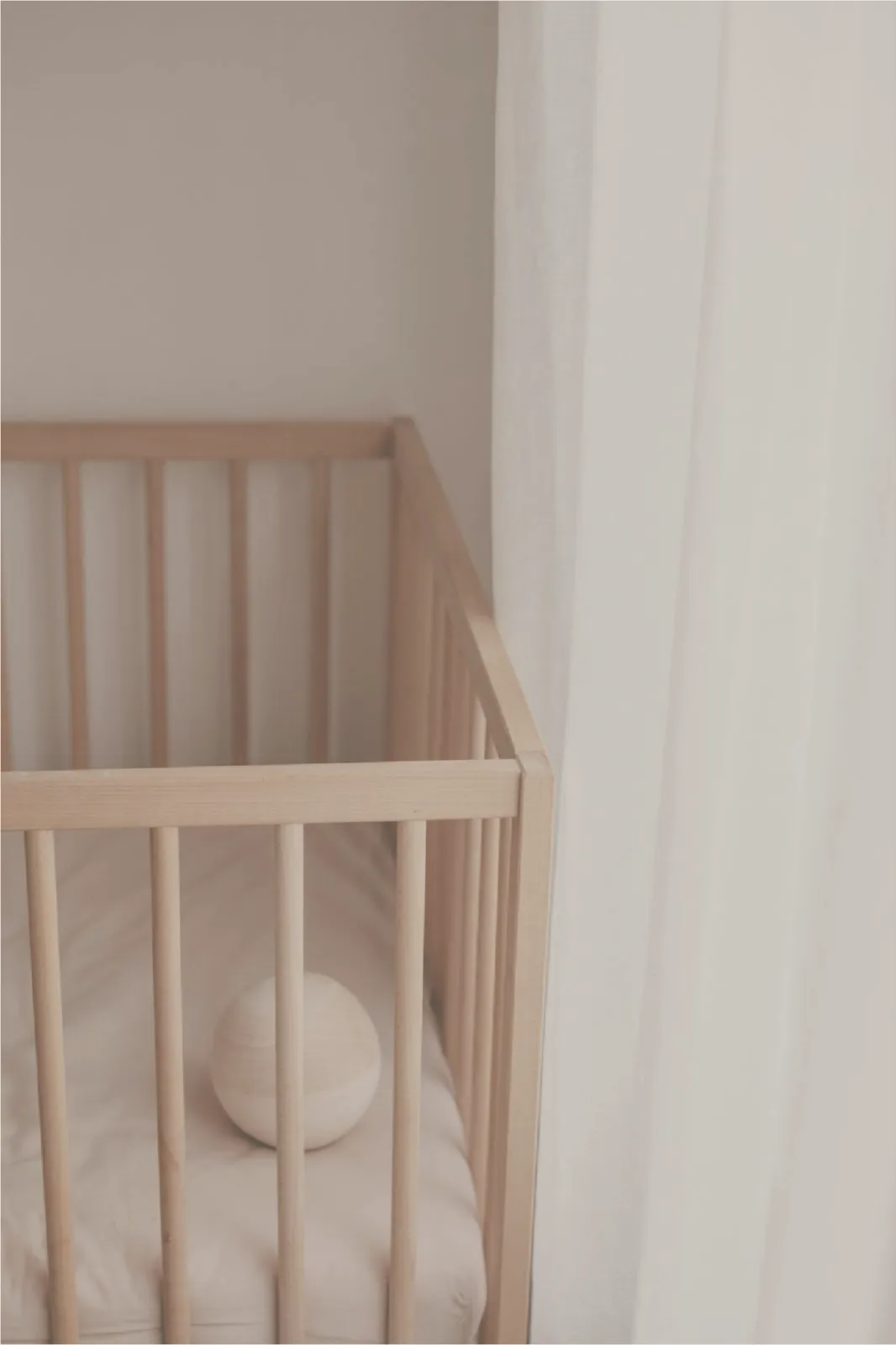
- Firm, flat crib, bassinet or play yard that meets current safety standards
- Fitted sheet only — no pillows, bumpers, quilts, toys or positioners
- Mattress fits snugly: no more than two fingers between mattress and side
- Check regularly for loose, missing or broken parts; use only manufacturer parts
- Away from windows, blind cords and anything within reach
Every sleep, every time
- Back to sleep — for naps and nights, until 1 year
- Room-share on a separate sleep surface; avoid bed-sharing
- Offer a clean, dry pacifier at sleep times (once feeding is established)
- Lower the mattress as soon as baby can push up on hands and knees
Temperature & air
- Dress for the room — a wearable blanket/sleep sack instead of loose blankets
- No hats indoors for sleep; watch for sweating or flushed skin
- Keep the home smoke- and vape-free, including clothes and car
Look after you, too
- Attend well-baby checks and ask your pediatrician anything
- If crying feels overwhelming: lay baby down safely in the crib, step away, breathe
- Shower, music, a cup of tea, or call someone — then return calmer
- If nothing soothes your baby, contact your doctor
The ABCs: babies sleep safest Alone, on their Back, in a Crib (or bassinet / play yard) — in your room for at least the first six months.
Support lines: 1-800-4-A-CHILD (24/7 parent support) · The Period of PURPLE Crying® — purplecrying.info · National Center on Shaken Baby Syndrome — dontshake.org · safetosleep.nichd.nih.gov · aap.org. Always follow your pediatrician’s advice for your child.
THYME4SLEEP.COMEducation only — not medical advice.